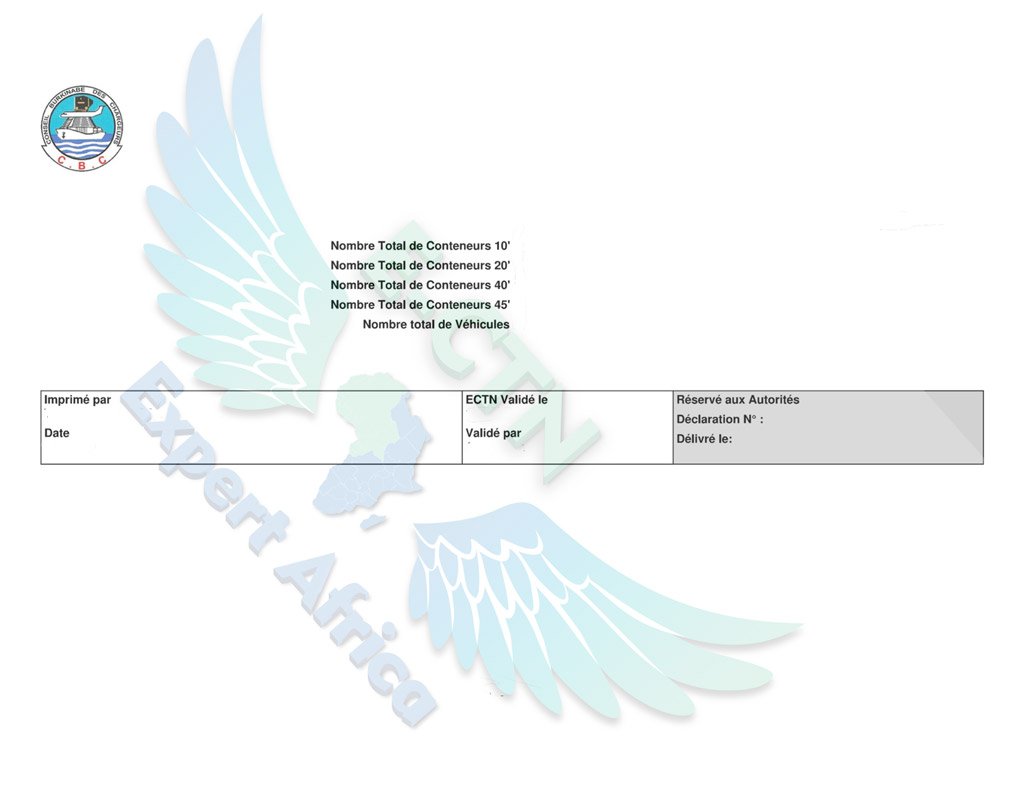




Burkina Faso ECTN Certificate

Shipping cargo to Burkina Faso requires a valid ECTN Certificate (Electronic Cargo Tracking Note). The certificate is mandatory for most shipments entering the country and must be validated before the cargo arrives at the destination.

Without a valid ECTN certificate, cargo shipments may face delays, penalties, or additional administrative procedures during customs clearance.

Our team assists exporters, freight forwarders, and logistics companies in obtaining the Burkina Faso ECTN Certificate quickly and accurately. We review shipment documents, prepare the ECTN application, and ensure the certificate is issued before vessel arrival.

Submit your shipment details to begin the ECTN validation process.

ISO 9001 Certified by SGS

    What is the Burkina Faso ECTN ?​

    The Burkina Faso ECTN Certificate is a mandatory shipping document required for cargo shipments entering the country.

    ECTN stands for Electronic Cargo Tracking Note, a cargo monitoring system used by authorities to track shipments and verify cargo information before arrival at the destination port.

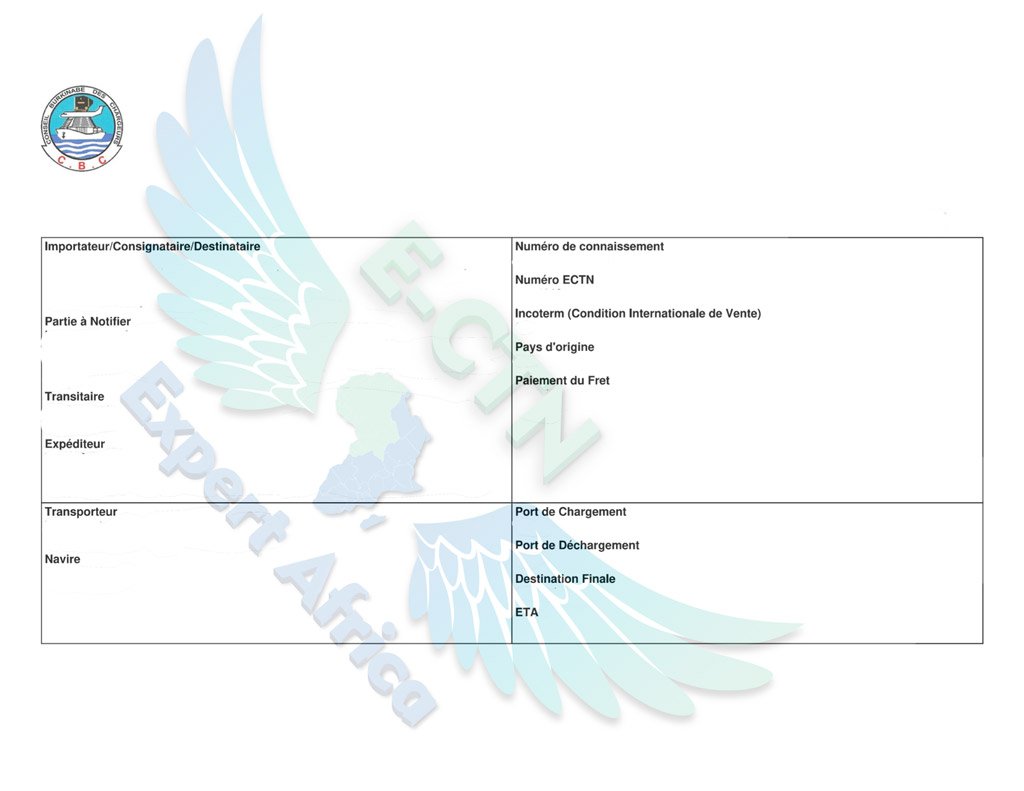
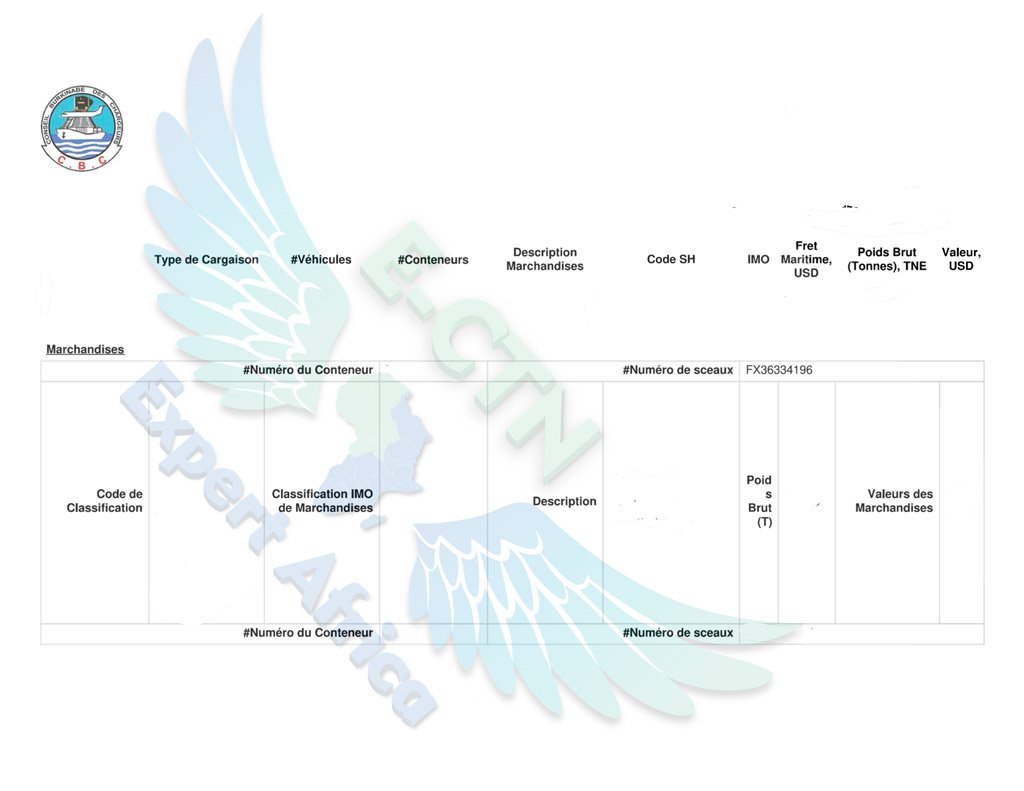
    The certificate includes important shipment details such as:

    • Bill of Lading information

    • Exporter and importer details

    • Cargo description and quantity

    • Freight charges and shipment value

    • Vessel information and shipping route

    Once issued, the ECTN reference number must be included in shipping documents to ensure smooth customs clearance.

    The ECTN certificate is generally required for cargo shipments entering Burkina Faso.

    This requirement applies to:

    • Exporters shipping goods to Burkina Faso

    • Freight forwarders managing cargo transportation

    • Logistics companies coordinating international shipments

    • Shipping agents handling export documentation

    Obtaining the certificate before cargo arrival helps avoid delays at customs.

    To apply for a Burkina Faso ECTN certificate, exporters must provide shipment documents for verification.

    Commonly required documents include:

    • Bill of Lading (Draft or Final)

    • Commercial Invoice

    • Freight Invoice

    • Export Customs Declaration

    All shipment details must match across documents. Differences in cargo value, container details, or freight charges may delay the validation process.

    Our team reviews the documents before submission to help ensure accurate processing.

    How to Obtain a Burkina Faso ECTN?

    The ECTN application process involves document verification and certificate validation.

    Submit Required Documents

    Provide the required shipment documents such as the Bill of Lading and Commercial Invoice.

    Processing & Validation

    Our team reviews the documents and submits the ECTN application for validation.

    ECTN Certificate Issuance

    Once approved, the validated ECTN certificate is issued and must be included in the shipping documentation.

    Burkina Faso ECTN Processing Time

    In most cases, the Burkina Faso ECTN certificate is issued within 24–48 hours after the required documents are submitted.

    Processing time may vary depending on:

    • document verification requirements

    • shipment information accuracy

    • vessel departure schedules

    Submitting documents early helps ensure the certificate is validated before cargo arrival.

    Why Burkina Faso Requires ECTN

    The ECTN system allows authorities to monitor cargo shipments entering the country.

    The system helps:

    • improve cargo tracking and transparency

    • verify shipment documentation before arrival

    • prevent discrepancies in freight declarations

    • support customs compliance procedures

    This allows customs authorities to review shipment details in advance.

    0 +
    Certificates Validated

    ISO 9001 SGS Certified

    100 +
    Satisfied clients

    24/7 Support

    Ready to Apply for Your Burkina Faso ECTN Certificate?

    If you are shipping cargo to Burkina Faso, ensure the ECTN certificate is issued before the shipment arrives.

    Submit your shipment documents and our team will review the application and begin the validation process.

    Contact us today to start your Burkina Faso ECTN Certificate application.

    What Happens if Cargo Arrives Without an ECTN?

    Shipping cargo without a validated ECTN certificate may result in complications during customs clearance.

    Possible consequences include:

    • financial penalties

    • delays at the port or border

    • additional documentation procedures

    • administrative charges

    Exporters and freight forwarders should obtain the certificate before shipment arrival to avoid these issues.

    Common Mistakes That Delay ECTN Validation

    ECTN applications may be delayed if shipment information does not match across documents.

    Common issues include:

    Incorrect cargo value on the commercial invoice
    The declared cargo value must match the shipment information used during ECTN application.

    Mismatch between Bill of Lading and invoice details
    Cargo description, container details, and consignee information must remain consistent.

    Incorrect freight charges
    Freight values must match the freight invoice provided during validation.

    Late ECTN application submission
    Submitting the request close to the cargo arrival date may delay certificate validation.

    Reviewing shipment documents carefully helps reduce these issues.

    Why Work With an ECTN Processing Partner?

    ECTN validation requires accurate documentation and correct application submission.

    Working with an experienced processing team helps ensure:

    • accurate shipment document verification

    • faster certificate validation

    • reduced risk of shipment delays

    • compliance with Burkina Faso import requirements

    Our specialists assist exporters and freight forwarders throughout the ECTN application process.

    FAQs related to Burkina Faso ECTN Certificate

    Find quick answers to common questions about the ECTN certification process.

    The Cargo Tracking Note (CTN) is a type of waiver document, also known as the Bordereau de Suivi Cargaison (BSC) or Loading Certificate. All three terms refer to the same official document.

    These certificates are essential maritime documents that contain key details about the cargo and its route between ports. Several African countries require CTNs to effectively monitor, control, and manage their import and export operations.

    Each CTN must be obtained and validated at the port of loading. It is a critical requirement for customs clearance upon arrival. Shipments lacking a valid CTN may be held by local Customs until the final CTN is submitted, and penalties may apply.

    No. If your shipment is transiting through Ghana to reach Burkina Faso, you only need a Burkina Faso ECTN, as the Ghana ECTN requirement is currently suspended.

    No. Each shipment requires its own validated ECTN number. The same ECTN cannot be reused for different shipments.

    Yes. The Burkina Faso ECTN certificate number must be indicated on the Bill of Lading.

    Yes. ECTN certificates can be applied for and processed entirely online, regardless of your location or the certificate’s country of issuance.

    No. If your shipment is going to Burkina Faso via Ivory Coast, you only need a Burkina Faso ECTN certificate.

    ECTN Experts is a trusted and authorized agent specializing in trade compliance documentation—providing fast, accurate, and hassle-free solutions for obtaining ECTN, ICTN, and CTN certificates. They aim to relieve exporters and freight forwarders of complex regulations so your cargo shipments stay on track.

    A hard copy of the CTN certificate is generally not required, as the entire process is completed online. Digital validation and electronic submission suffice for customs and regulatory purposes.

    A Bill of Lading (BoL) is a legal shipping document issued by the carrier to the shipper. It outlines the type, quantity, and destination of the cargo.

    A Commercial Invoice is an essential document for export and import clearance. It may also serve currency exchange purposes and is used by customs to calculate import duties and taxes.